CERVICAL
SPINE
The cervical spine undergoes natural degenerative changes with age, which can cause chronic pain, stiffness and nerve irritation in the arm. At Dr. Verbitskiy in Maribor we also treat more complex, long-standing cervical spine problems.

Unlike general acute neck pain, cervical spine problems often develop gradually over years and are associated with wear of the intervertebral discs and cervical joints. Such changes can eventually compress nerve roots and cause pain radiating to the arm or chronic headache symptoms.
What causes degenerative changes of the cervical spine?
Cervical spondylosis and related cervical spine problems arise from a combination of aging and long-term strain:
- 🔹 Natural degeneration of intervertebral discs and joints with age
- 🔹 Prolonged poor posture while working at a computer
- 🔹 Previous neck injuries (e.g., whiplash after a traffic accident)
- 🔹 Repetitive neck strain in certain occupations
- 🔹 Genetic predisposition to faster wear of joints and discs
- 🔹 Chronically reduced mobility due to a sedentary lifestyle
Symptoms of cervical spine problems
Symptoms are often more widespread and longer-lasting than with ordinary neck tension:
- 🔹 Chronic stiffness and reduced range of motion in the neck
- 🔹 Pain radiating to the shoulder, arm, or fingers (cervicobrachial syndrome)
- 🔹 Tingling or numbness in the fingers
- 🔹 Recurrent headaches originating from the occiput
- 🔹 Occasional dizziness when turning the head (cervicogenic dizziness)
- 🔹 Worsening of symptoms after prolonged sitting or driving
Treatment of the cervical spine
In long-standing degenerative changes the approach is more cautious and gradual than for acute pain, with emphasis on safe mobilization and long-term maintenance of mobility.
1. Detailed assessment
Assessment of neurological signs, range of motion, and any imaging findings.
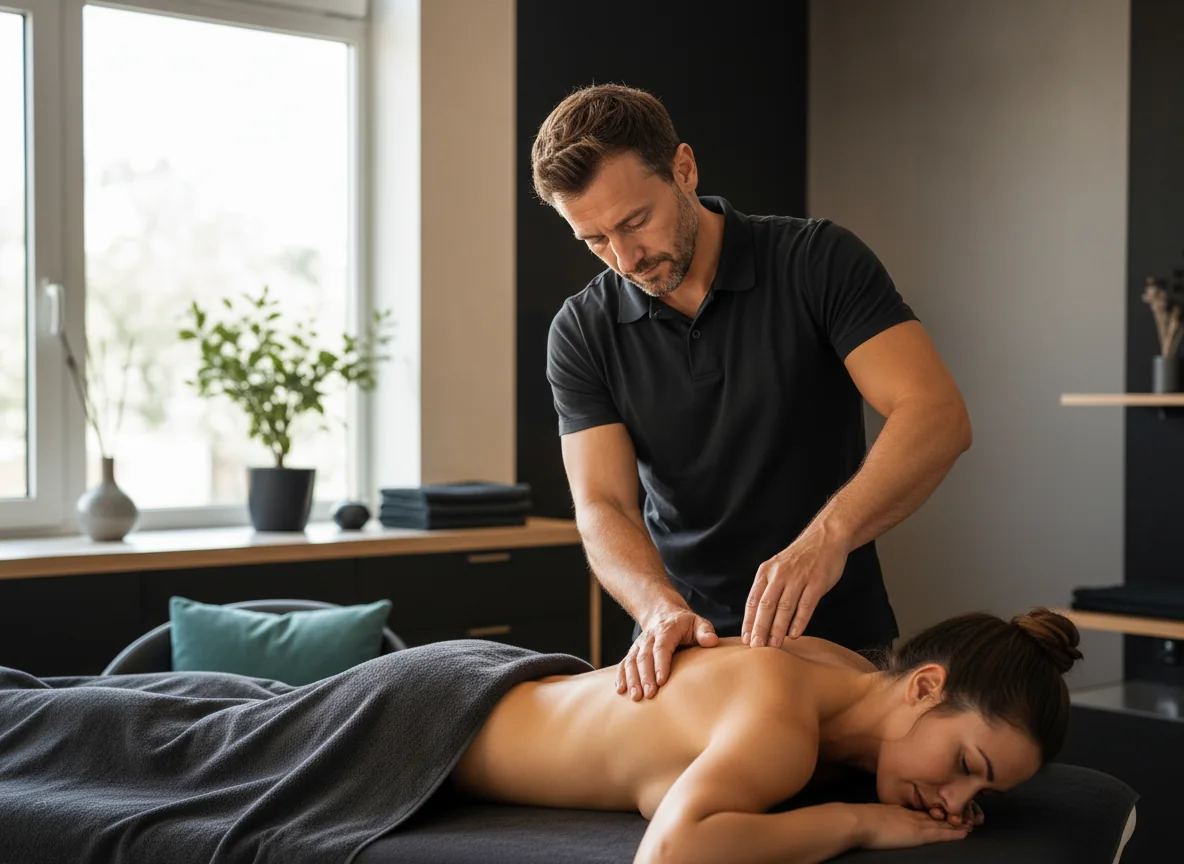
2. Careful manual treatment
Gentle, controlled techniques tailored to the degree of degenerative change.

3. Long-term maintenance
Regular follow-up treatments and exercises to maintain cervical spine mobility.
Signs that require immediate attention
Seek immediate medical attention if you notice rapidly progressing weakness or clumsiness of the hands, balance or walking problems, or loss of fine finger motor control (e.g., difficulty with buttons). These signs may indicate spinal cord compression (cervical myelopathy) and require urgent specialist assessment.
Regular follow-up treatments are especially important in degenerative changes because they allow early detection of symptom changes and timely adjustment of the approach.
What our patients say
Verbitskiy, Manualna terapija - Osteopatija, diagnostika, rehabilitacija, d.o.o. · Maribor
Watch videos about manual therapy and osteopathy on our YouTube channel.
Visit YouTube channel →Frequently asked questions about the cervical spine
Is cervical spondylosis a normal part of aging?
To some extent, yes — mild degenerative changes are common with age but do not always cause symptoms. Symptomatic changes should be addressed.
Can degenerative changes be repaired?
The structural changes themselves cannot be reversed, but treatment can significantly reduce pain and improve function and mobility.
Why do I have tingling in my fingers?
This is often due to compression of a nerve root in the cervical spine and warrants a precise assessment.
Can dizziness be related to the neck?
Yes, cervicogenic dizziness is a recognized condition linked to tension and dysfunction of the upper cervical spine.
How often should I attend follow-up appointments?
For chronic degenerative changes we recommend regular follow-ups, often monthly or as agreed.
Is surgery often necessary?
No, most cases are successfully managed conservatively. Surgery is rarely required, mainly when there are signs of spinal cord compression.
Contact us
For any questions or to book an appointment we are at your disposal.